

The Thrill of Uncertainty
The allure of casino gambling often stems from the thrill of uncertainty. Players are drawn to the unpredictable nature of games, where the outcome can change in an instant. This uncertainty evokes excitement and anticipation, keeping players engaged as they chase the next big win. Each roll of the dice or spin of the wheel creates a moment of suspense that captivates the mind, leading to a desire to keep playing. While navigating the world of gambling, many enthusiasts also explore michigan online slots to diversify their experiences.
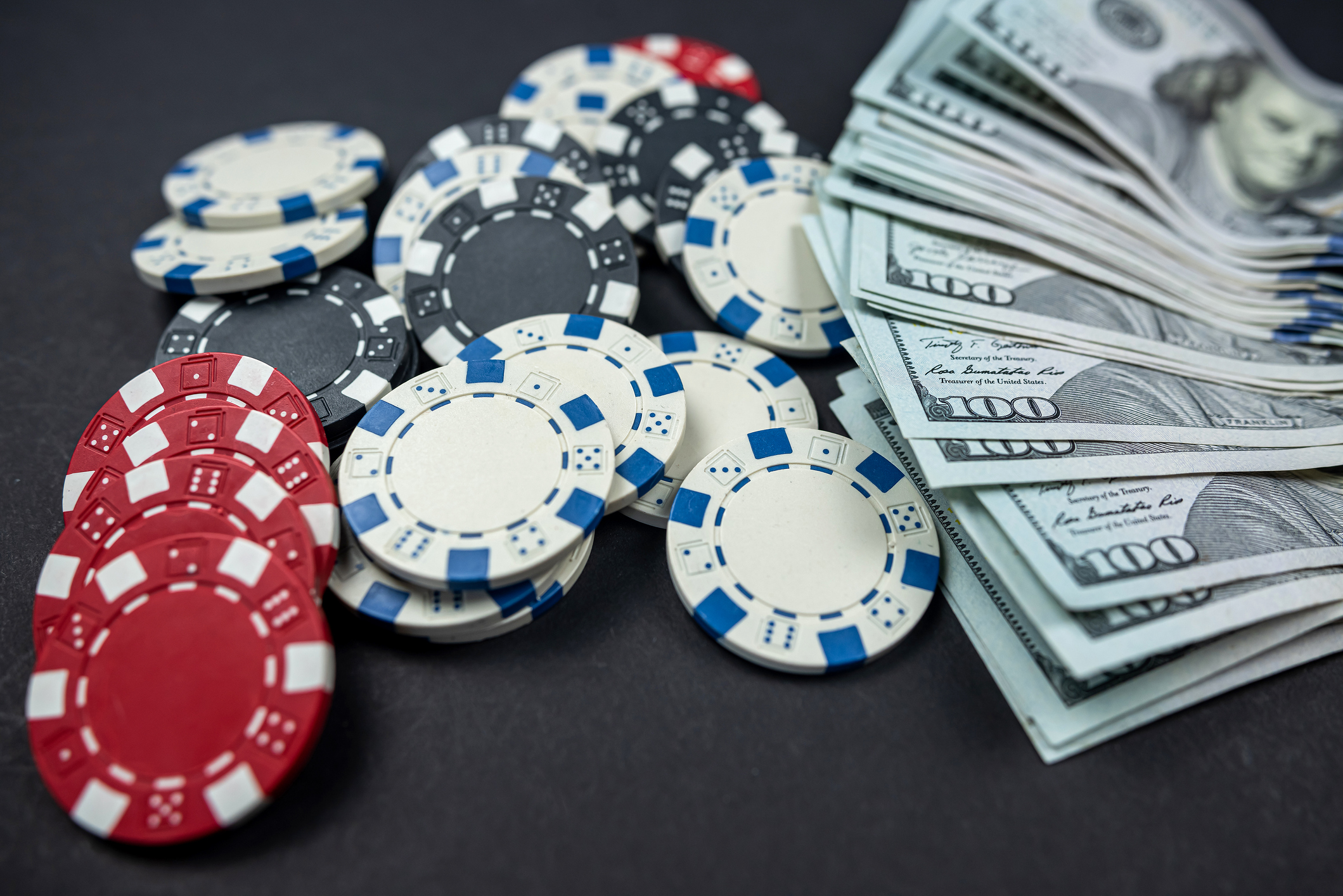
This psychological phenomenon is closely linked to the brain’s reward system. When players experience a win, even a small one, it triggers the release of dopamine, a neurotransmitter associated with pleasure. This biochemical reward reinforces the behavior, making it more likely that they will return to the casino in hopes of experiencing that euphoric feeling again.
The Social Aspect of Gambling
Casinos are not just places to play games; they are vibrant social hubs where individuals can interact with others. The social dynamics in a casino setting can significantly enhance the gambling experience. Many players enjoy the camaraderie found around card tables or slot machines, fostering a sense of belonging and community. This social interaction can make the experience more enjoyable and encourage players to return.
Additionally, the shared excitement among players can amplify the thrill of winning. Celebrating together or commiserating over losses creates a unique bond, turning gambling into a shared adventure rather than a solitary activity. The combination of competition and companionship makes casinos appealing destinations for those seeking entertainment and social engagement.
The Influence of Environment
The design and atmosphere of casinos play a critical role in attracting and retaining players. From the brightly lit machines to the sound of coins clinking, casinos create a sensory experience that heightens excitement. The strategic placement of games ensures that players feel immersed in the environment, making it hard to leave. This deliberate design encourages longer visits and increased spending, as players lose track of time.
Furthermore, the absence of clocks and windows in many casinos adds to the immersive experience, reinforcing the feeling of being in a different world. This environment can lead to a phenomenon known as « time distortion, » where players are unaware of how much time has passed, prompting them to stay longer and gamble more. The captivating atmosphere, combined with enticing rewards, keeps players coming back for more.
The Role of Marketing and Promotions
Casinos utilize various marketing strategies to attract and retain customers, capitalizing on psychological principles to create loyalty. Promotions such as free drinks, bonus credits, and loyalty programs provide players with incentives to return. These offers can create a sense of value, encouraging players to view their gambling experience as more than just entertainment.
Moreover, casinos often personalize their marketing efforts based on player behavior. By analyzing data and preferences, casinos tailor promotions to cater to individual players, enhancing their overall experience. This personalized approach not only makes players feel valued but also reinforces their connection to the establishment, fostering loyalty and repeat visits.

Understanding the Casino Landscape
Exploring the psychology behind casino gambling reveals the intricate web of factors that keep players engaged. From the thrill of uncertainty to the social bonds formed within casino walls, various elements work together to create a compelling experience. The sensory-rich environment, combined with strategic marketing efforts, further enhances this connection, making casinos an attractive escape for many.
By understanding these psychological drivers, both players and operators can navigate the complex landscape of casino gambling more effectively. It highlights the importance of creating an engaging atmosphere while acknowledging the psychological factors at play that keep players returning for more excitement and entertainment.